
The first two weeks after surgery shape much of the eventual outcome. Here is what to expect - and what to do.
The First 48 Hours
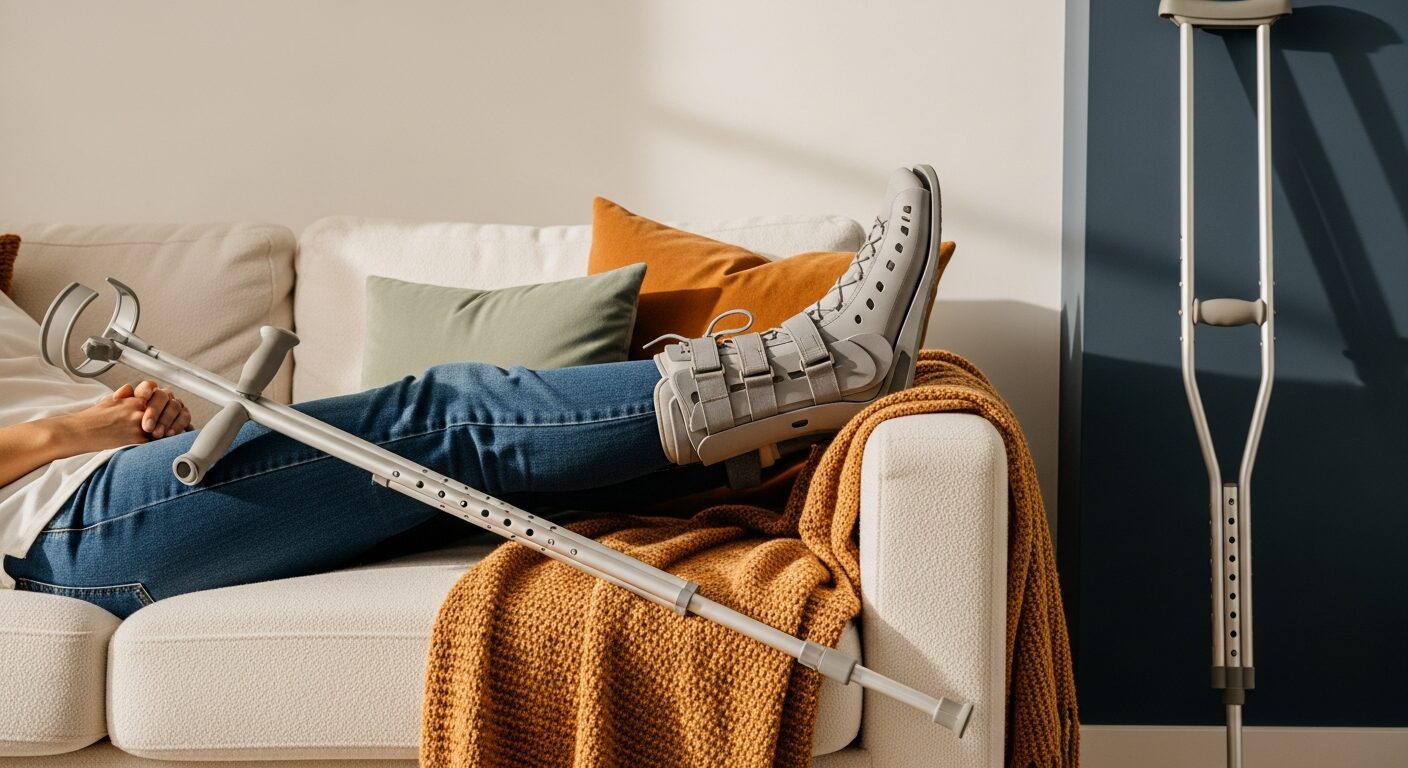
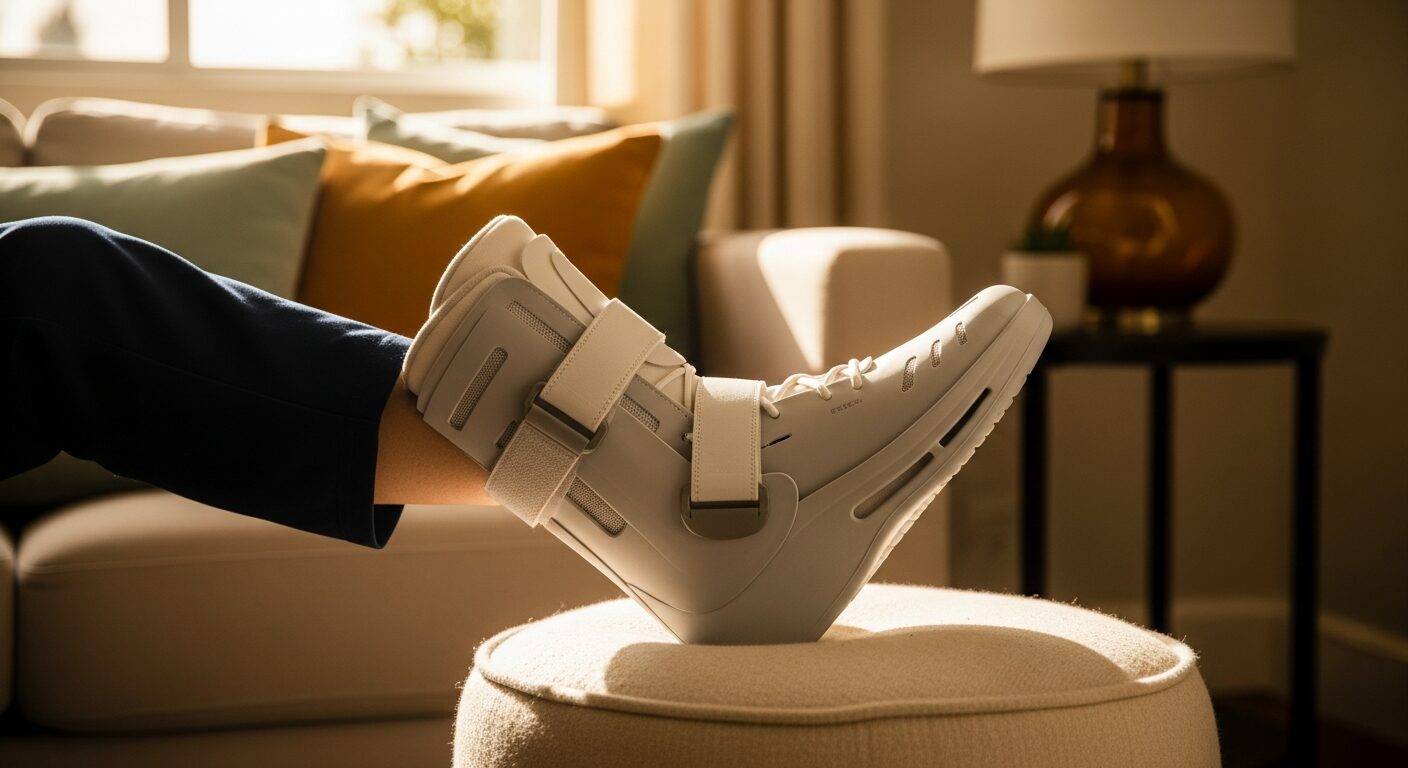
Pain is highest in the first 24–48 hours. Take pain medication on a schedule (not waiting until pain breaks through). Elevate the foot above your heart whenever possible. Use ice as instructed - usually 20 minutes on, 40 off. Move your toes (if cleared) and your other limbs to keep blood circulating.
Week 1
Pain steadily decreases day by day. Swelling typically peaks at days 3–4 and then begins to subside with elevation. Keep the dressing dry. Follow weight-bearing instructions exactly - most early hardware failures and wound problems come from doing too much, too soon.
Week 2
The first post-op visit is usually around 10–14 days. We’ll check the wound, remove sutures or staples if needed, and update your weight-bearing and activity instructions.
When to Call Me Immediately
- Fever over 101°F
- Drainage that soaks the dressing or has a bad smell
- Sudden severe increase in pain
- Numbness or color change in the toes
- Calf pain or swelling
A Quiet Truth
Recovery is mostly patience. The body heals on its schedule, not yours. Trust the plan, stay ahead of pain, elevate, and let the foot do its work.
Las primeras dos semanas después de la cirugía determinan gran parte del resultado final. Esto es lo que puede esperar, y lo que debe hacer.
Las primeras 48 horas
El dolor es más intenso en las primeras 24 a 48 horas. Tome el medicamento para el dolor según un horario (sin esperar a que el dolor reaparezca). Eleve el pie por encima del corazón siempre que sea posible. Use hielo según las indicaciones, por lo general 20 minutos con hielo y 40 sin él. Mueva los dedos del pie (si está autorizado) y sus demás extremidades para mantener la sangre circulando.
Semana 1
El dolor disminuye de manera constante día con día. La inflamación por lo general alcanza su punto máximo en los días 3 a 4 y luego comienza a ceder con la elevación. Mantenga el vendaje seco. Siga las indicaciones de apoyo de peso al pie de la letra: la mayoría de las fallas tempranas del material de osteosíntesis y los problemas de las heridas vienen de hacer demasiado, demasiado pronto.
Semana 2
La primera visita posoperatoria por lo general es alrededor de los 10 a 14 días. Revisaremos la herida, retiraremos las suturas o grapas si es necesario, y actualizaremos sus indicaciones de apoyo de peso y actividad.
Cuándo llamarme de inmediato
- Fiebre superior a 101 °F
- Drenaje que empapa el vendaje o tiene mal olor
- Aumento repentino e intenso del dolor
- Entumecimiento o cambio de color en los dedos del pie
- Dolor o inflamación en la pantorrilla
Una verdad discreta
La recuperación es, en gran parte, paciencia. El cuerpo sana según su propio ritmo, no el suyo. Confíe en el plan, manténgase un paso adelante del dolor, eleve el pie y deje que haga su trabajo.