
Patients often ask whether they really need custom orthotics or whether a quality off-the-shelf insole is enough. Here is how I think about it.
When OTC Insoles Are Probably Enough
- Mild, occasional foot fatigue
- A specific shoe that doesn’t quite fit
- A short-term boost while you’re working on stretching, footwear, and activity modification
- Mild plantar fasciitis caught early
A well-designed $40–$60 insole (there are several reputable brands) provides cushioning and modest support. For many people, that’s plenty.
When a Custom Orthotic Earns Its Cost
- Ongoing plantar fasciitis or heel pain that hasn’t responded to OTC support
- Posterior tibial tendon dysfunction or progressive flatfoot
- Symptomatic arthritis at the midfoot, ankle, or great toe
- Forefoot pain (Morton’s neuroma, metatarsalgia) requiring precise pressure offloading
- A foot with significant structural deformity
- A patient who tried OTC and it didn’t help
What “Custom” Means
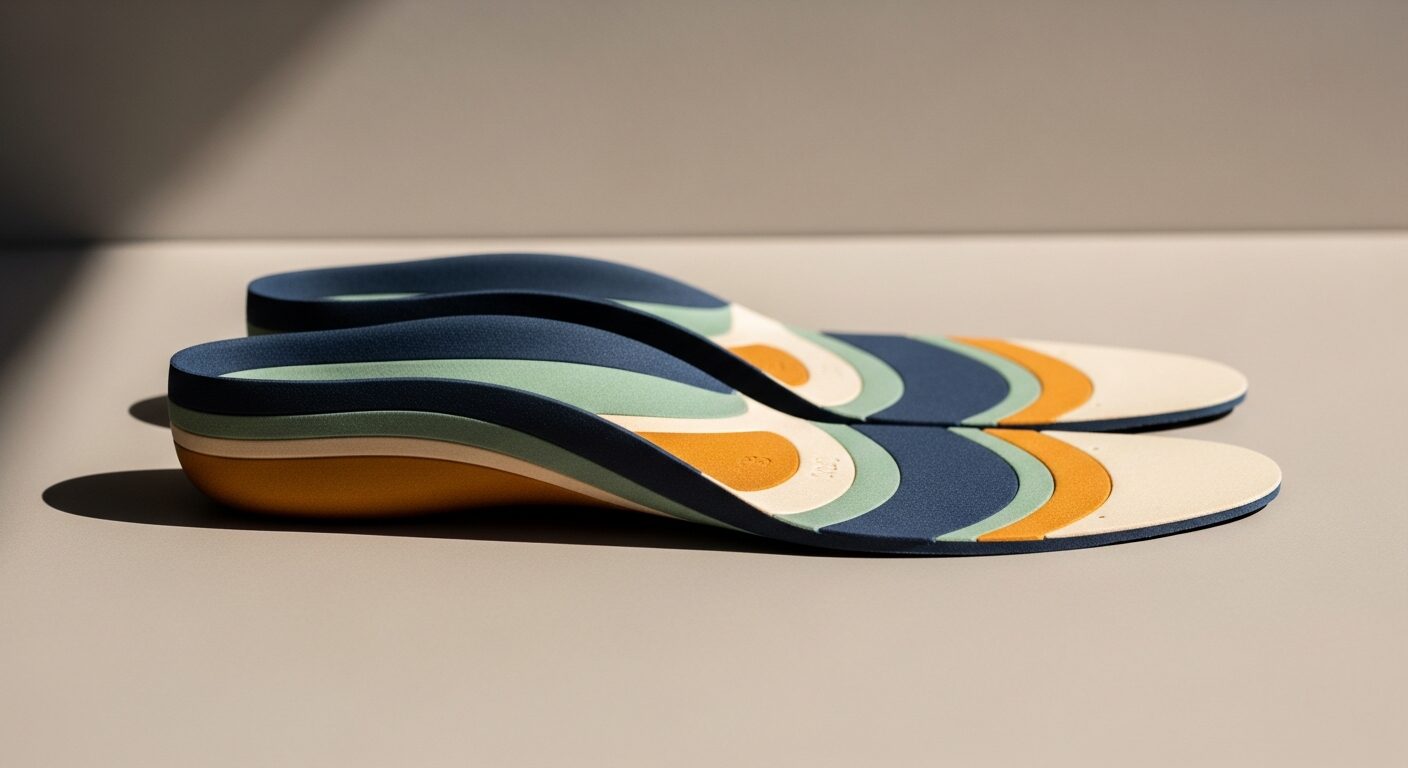
A true custom orthotic is fabricated to a cast or scan of your foot held in a corrected position, with a specific prescription from me - material, posting, depth, and accommodations. It’s not the kiosk-at-the-pharmacy “custom” - that’s a marketing term.
The Honest Bottom Line
A correctly prescribed custom orthotic is a tool that reliably solves problems OTC insoles cannot. For some patients, it’s life-changing. For others, OTC is plenty. I’ll be straight with you about which group you’re in.
Los pacientes suelen preguntar si de verdad necesitan plantillas ortopédicas a la medida o si una plantilla de buena calidad ya hecha es suficiente. Así es como yo lo veo.
Cuándo las plantillas de venta libre probablemente son suficientes
- Fatiga leve y ocasional en los pies
- Un zapato específico que no ajusta del todo
- Un apoyo a corto plazo mientras trabaja en los estiramientos, el calzado y la modificación de la actividad
- Fascitis plantar leve detectada a tiempo
Una plantilla bien diseñada de $40 a $60 (hay varias marcas de buena reputación) brinda amortiguación y un soporte moderado. Para muchas personas, eso es suficiente.
Cuándo una plantilla ortopédica a la medida vale su costo
- Fascitis plantar o dolor de talón persistente que no ha respondido al soporte de venta libre
- Disfunción del tendón tibial posterior o pie plano progresivo
- Artritis sintomática en el mediopié, el tobillo o el dedo gordo del pie
- Dolor en el antepié (neuroma de Morton, metatarsalgia) que requiere una redistribución precisa de la presión
- Un pie con una deformidad estructural importante
- Un paciente que probó las de venta libre y no le ayudaron
Qué significa “a la medida”
Una verdadera plantilla ortopédica a la medida se fabrica a partir de un molde o escaneo de su pie sostenido en una posición corregida, con una receta específica de mi parte: material, cuñas, profundidad y adaptaciones. No es la “a la medida” del quiosco de la farmacia; eso es un término de marketing.
La conclusión honesta
Una plantilla ortopédica a la medida correctamente recetada es una herramienta que resuelve de manera confiable problemas que las plantillas de venta libre no pueden. Para algunos pacientes, cambia la vida. Para otros, las de venta libre son suficientes. Le diré con franqueza a cuál grupo pertenece.