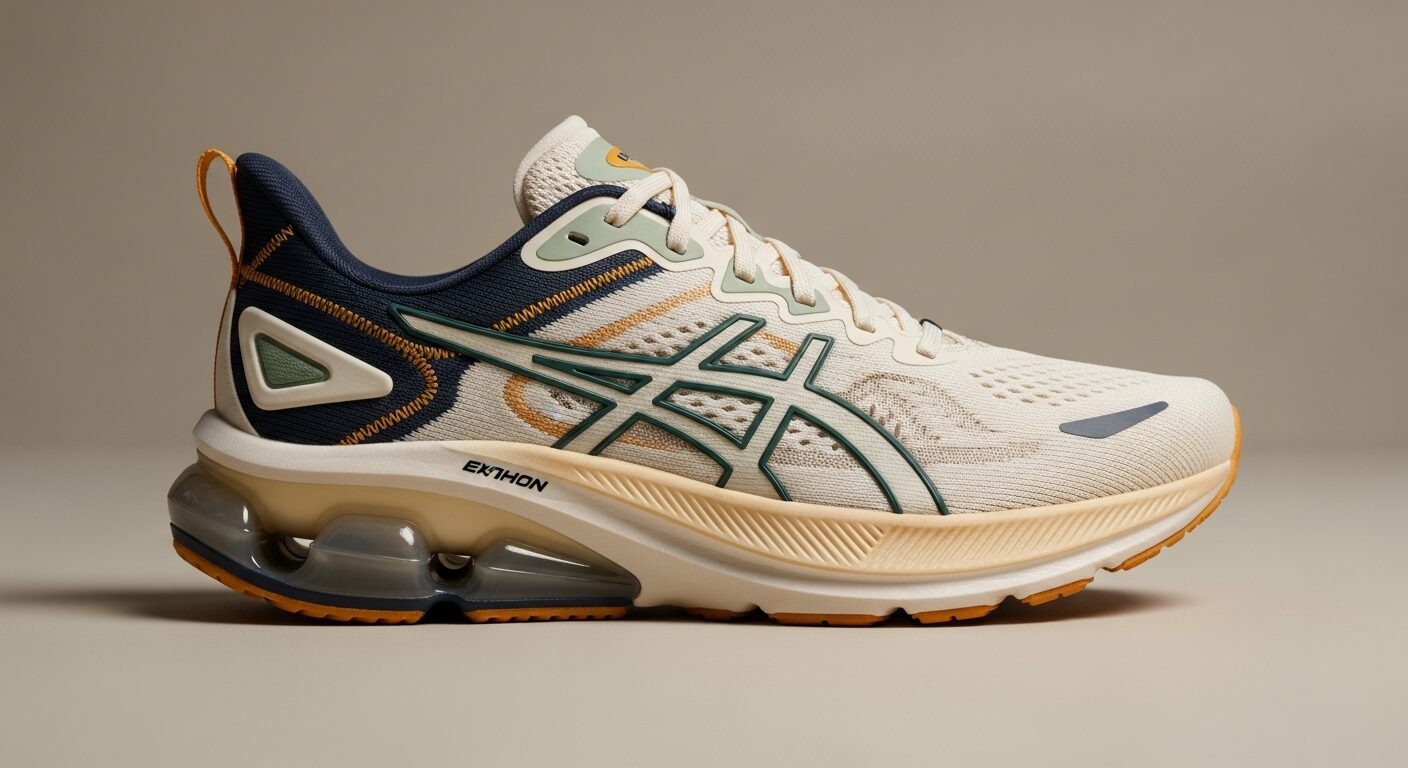

Patients ask me what running shoe to buy more than almost any other question. The answer is annoying: it depends. But the framework for choosing is simple.
Start With Your Foot
A neutral or mildly pronating foot does well in a neutral shoe. A significantly pronating foot benefits from stability features. A high-arched foot generally tolerates more cushioning. Most modern running shoes are well-engineered - the right category matters more than the specific model.
Then Your History
If a shoe worked for you in the past - and you didn’t get hurt - that’s the strongest signal you have. Stick with the family of that shoe. The biggest source of running injury I see is a sudden change in shoe type or stack height.
Then Your Mileage
For higher mileage runners, more cushioning often makes sense. For shorter runs and faster work, less is fine. Some runners benefit from rotating two different shoes through the week.
Things That Don’t Matter As Much
Brand. Color. What your friend wears. What an Olympian endorses.
Things That Matter A Lot
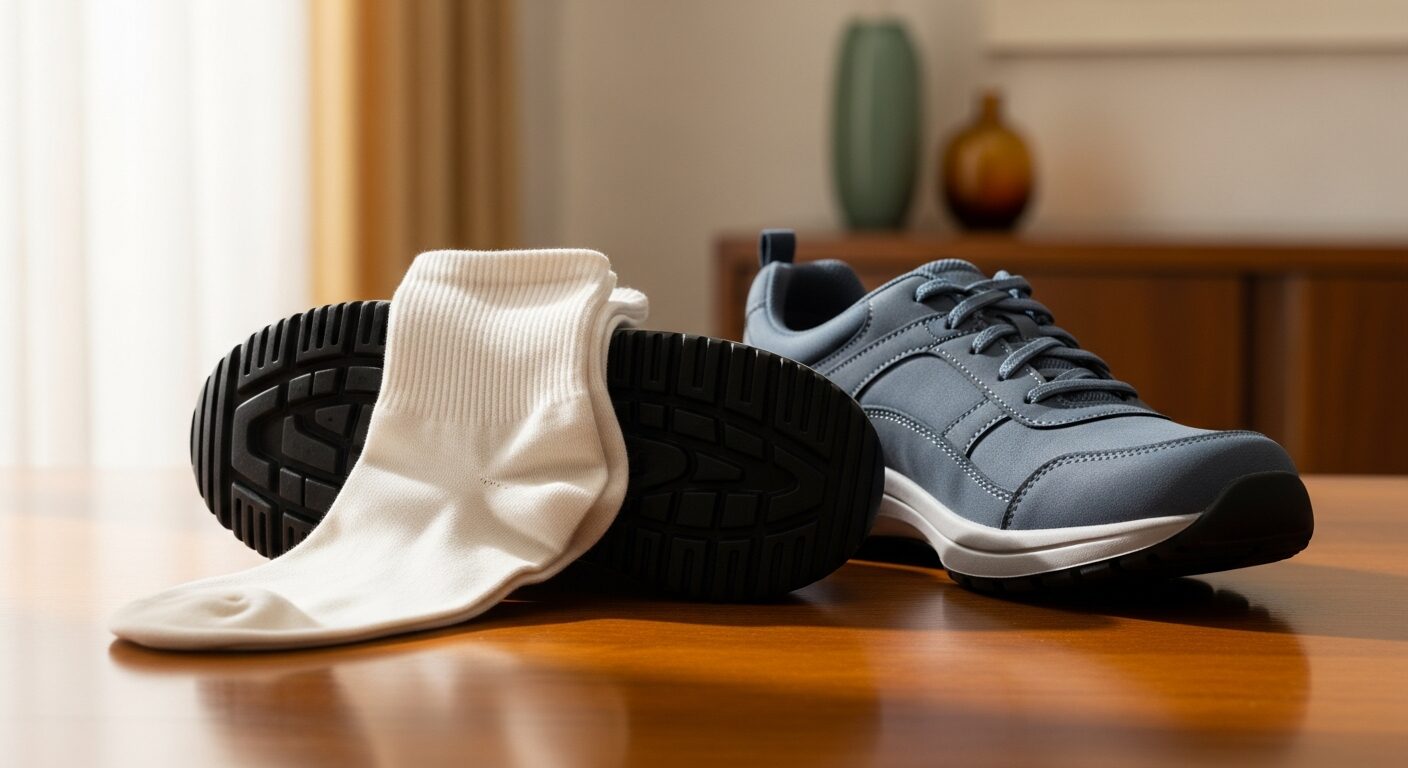
A running specialty store with good staff. Trying shoes on at the end of the day, with the socks you’d run in. Replacing shoes at 300–500 miles. Listening to your body when something hurts.
When To Add an Orthotic
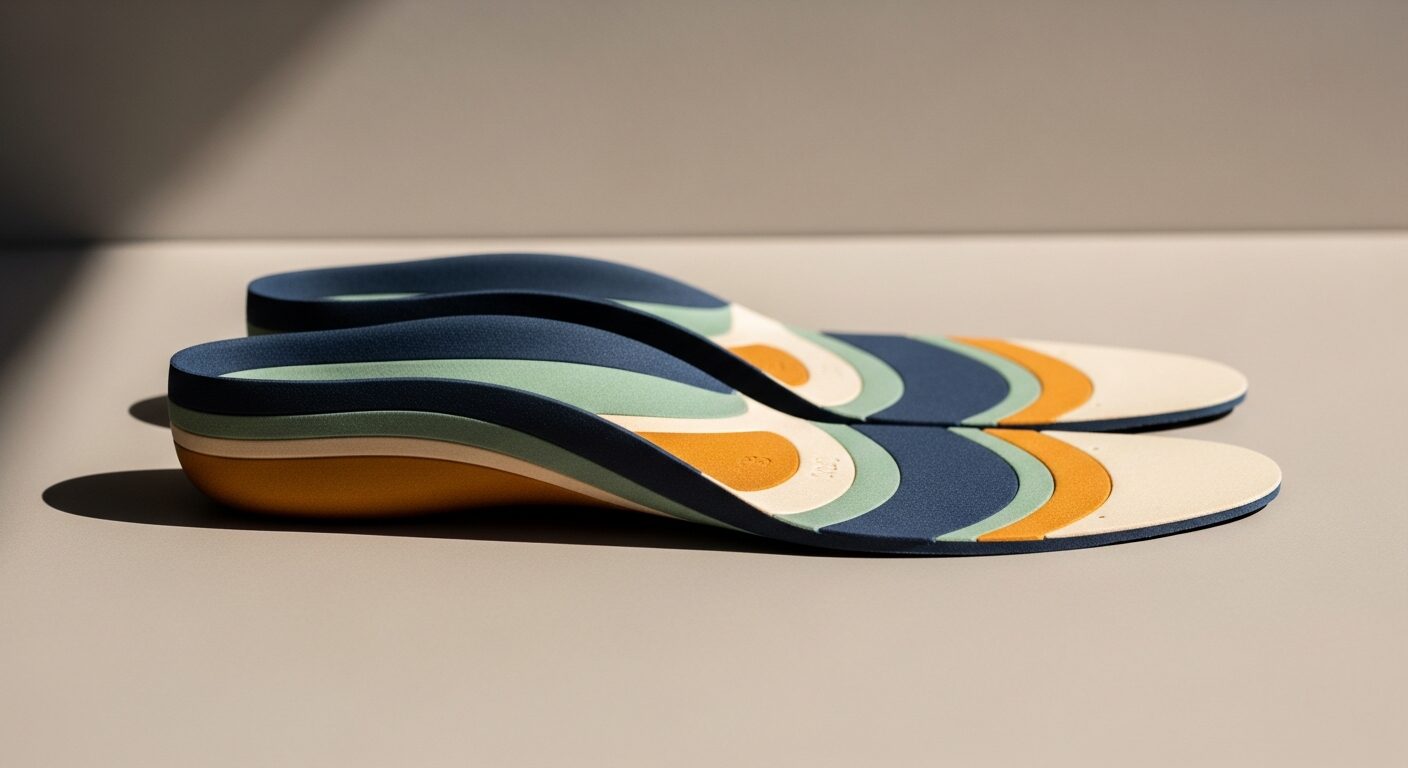
If you have a specific clinical condition - flatfoot, arthritis, a recurring injury - a custom orthotic added to a quality shoe often does more than any shoe alone.
Los pacientes me preguntan qué zapato para correr comprar más que casi cualquier otra cosa. La respuesta es molesta: depende. Pero el marco para elegir es sencillo.
Empiece por su pie
Un pie neutro o con pronación leve funciona bien en un zapato neutro. Un pie con pronación significativa se beneficia de las características de estabilidad. Un pie con arco alto por lo general tolera más amortiguación. La mayoría de los zapatos para correr modernos están bien diseñados; importa más la categoría correcta que el modelo específico.
Luego su historial
Si un zapato le funcionó en el pasado —y no se lesionó—, esa es la señal más fuerte que tiene. Quédese con la familia de ese zapato. La mayor fuente de lesiones al correr que veo es un cambio repentino en el tipo de zapato o en la altura de la entresuela.
Luego su kilometraje
Para corredores de mayor kilometraje, suele tener sentido más amortiguación. Para carreras más cortas y trabajo más veloz, menos está bien. Algunos corredores se benefician de alternar dos zapatos diferentes durante la semana.
Cosas que no importan tanto
La marca. El color. Lo que usa su amigo. Lo que promociona un atleta olímpico.
Cosas que importan mucho
Una tienda especializada en correr con buen personal. Probarse los zapatos al final del día, con los calcetines con los que correría. Reemplazar los zapatos entre las 300 y 500 millas. Escuchar a su cuerpo cuando algo duele.
Cuándo agregar una plantilla ortopédica
Si tiene una condición clínica específica —pie plano, artritis, una lesión recurrente—, una plantilla ortopédica a la medida agregada a un zapato de calidad a menudo hace más que cualquier zapato por sí solo.