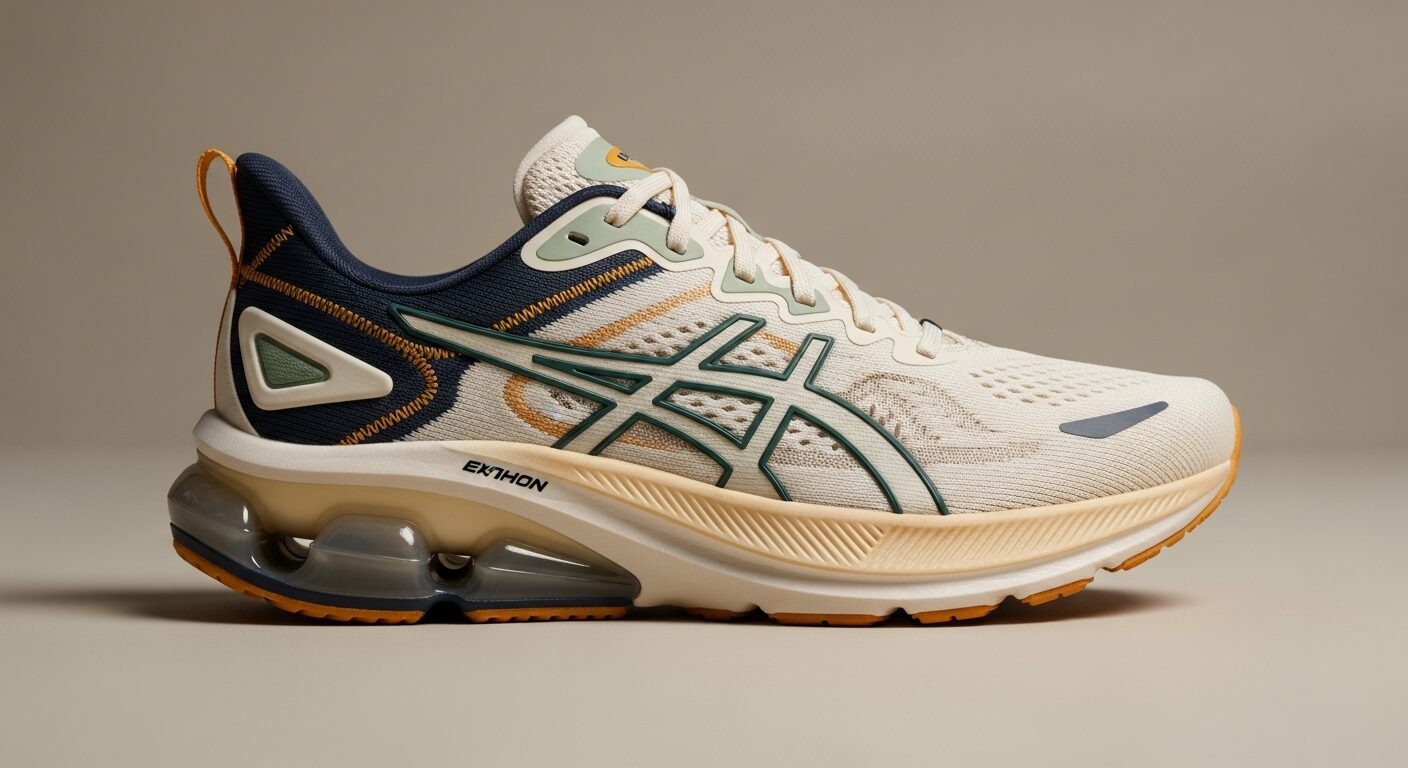

For patients with diabetes - particularly those with neuropathy, deformity, or any history of ulceration - shoes are not a fashion choice. They are part of medical care.
What to Look For
- Generous toe box - wide enough to accommodate your forefoot, deep enough to clear hammertoes
- Soft, seamless upper - to prevent friction and pressure points
- Firm heel counter - for rearfoot stability
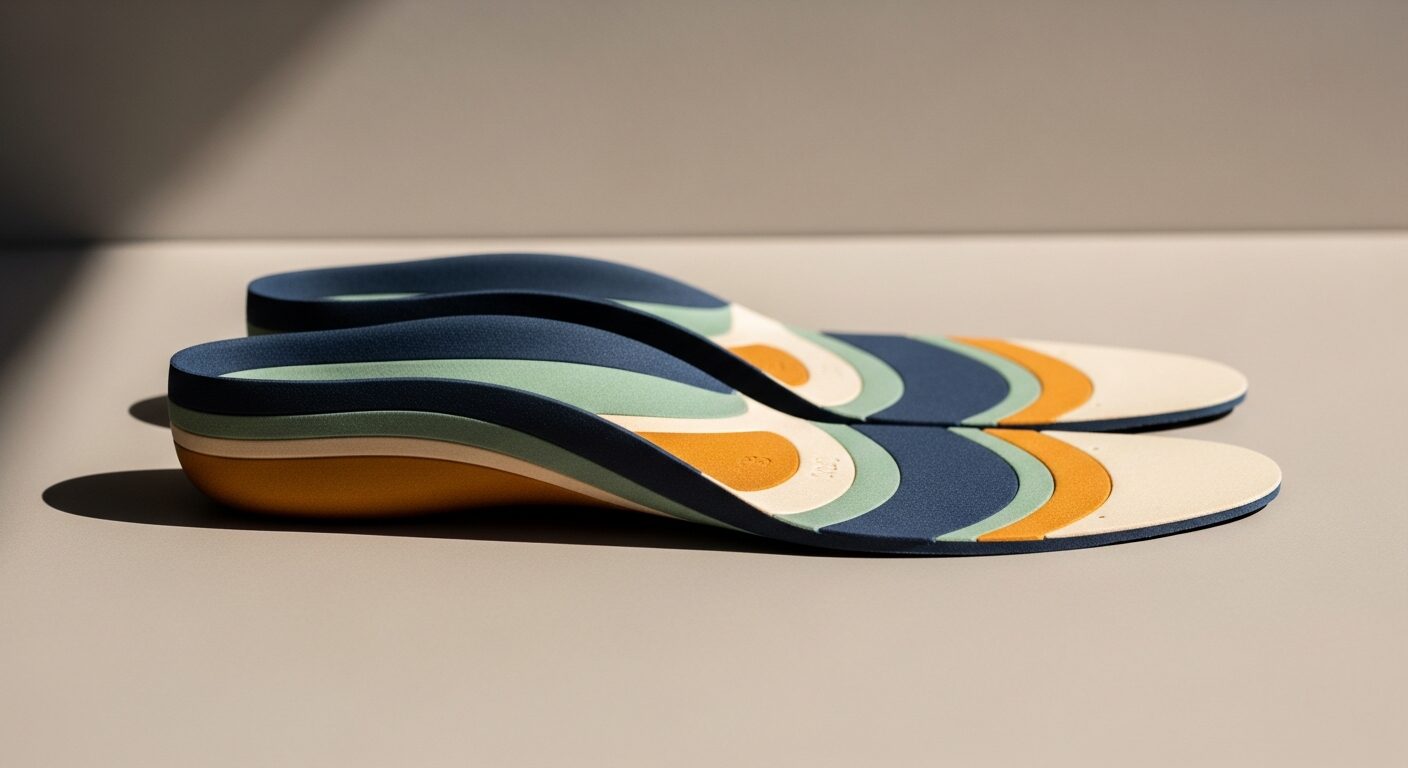
- Removable insole - so a custom diabetic orthotic can be inserted
- Cushioned outsole - to reduce impact loading
- Velcro or laces - to allow adjustable fit as foot volume changes throughout the day
What to Avoid
- Sandals (especially flip-flops) and barefoot walking
- Pointed toe boxes
- Worn or stretched-out shoes
- Tight or new shoes worn for prolonged periods without break-in
- Shoes that have caused any pressure point - even if it healed
Medicare Therapeutic Shoe Benefit
Patients with diabetes who meet specific criteria are eligible for Medicare’s therapeutic shoe benefit - generally one pair of qualifying shoes plus three pairs of inserts per year. Our office can verify eligibility and prescribe.
A Daily Habit
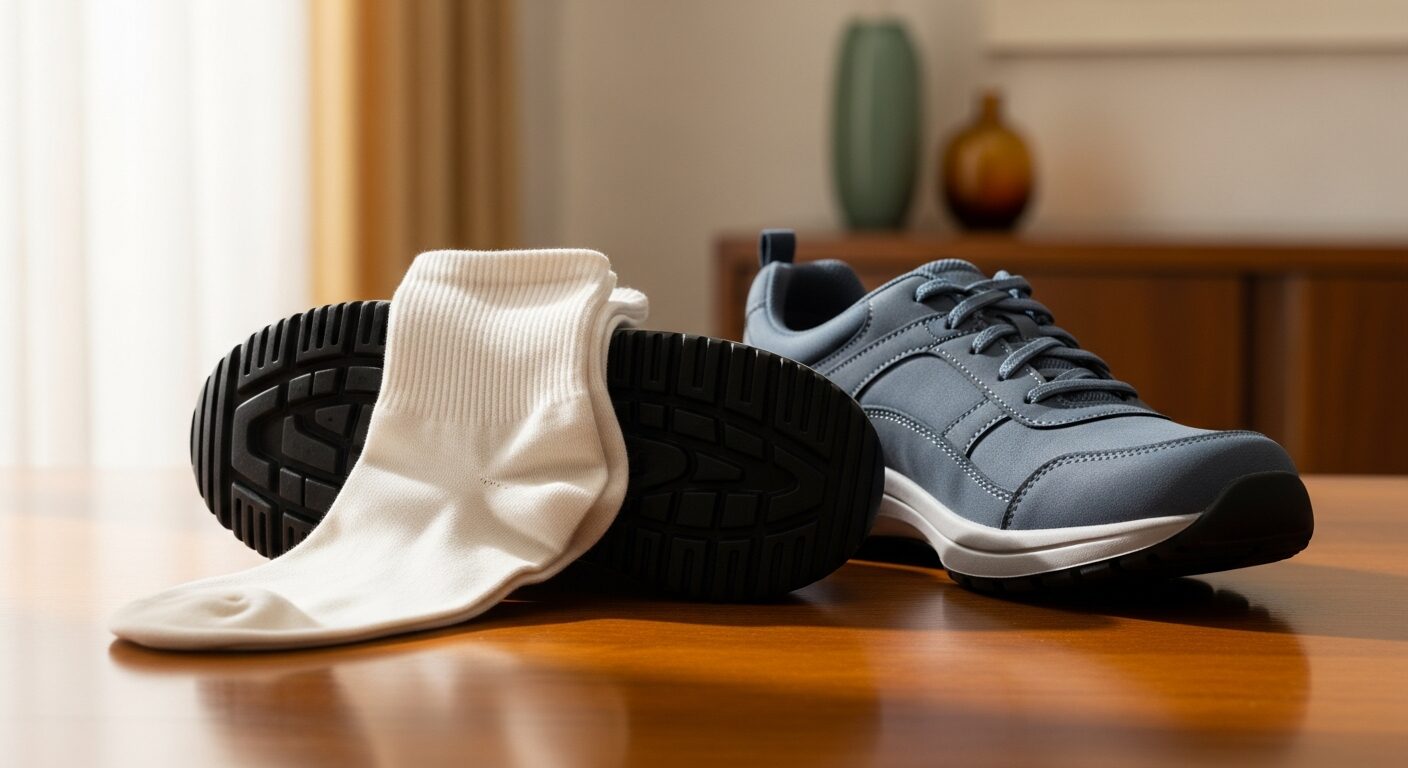
Inspect inside your shoes before putting them on, every time. A pebble, a wrinkle in the lining, or a dropped object you can’t feel can become a wound by the end of the day.
Para los pacientes con diabetes —en particular aquellos con neuropatía, deformidad o cualquier antecedente de ulceración— los zapatos no son una decisión de moda. Son parte de la atención médica.
Qué buscar
- Puntera amplia: lo suficientemente ancha para acomodar su antepié, lo suficientemente profunda para dejar espacio a los dedos en martillo
- Empeine suave y sin costuras: para prevenir la fricción y los puntos de presión
- Contrafuerte del talón firme: para la estabilidad del retropié
- Plantilla removible: para poder colocar una plantilla ortopédica para diabéticos a la medida
- Suela exterior amortiguada: para reducir la carga de impacto
- Velcro o agujetas: para permitir un ajuste regulable conforme cambia el volumen del pie a lo largo del día
Qué evitar
- Sandalias (en especial las chanclas) y caminar descalzo
- Punteras puntiagudas
- Zapatos desgastados o estirados
- Zapatos apretados o nuevos usados durante periodos prolongados sin un ablandamiento previo
- Zapatos que hayan causado cualquier punto de presión, aunque haya sanado
Beneficio de calzado terapéutico de Medicare
Los pacientes con diabetes que cumplen ciertos criterios son elegibles para el beneficio de calzado terapéutico de Medicare, que por lo general cubre un par de zapatos calificados más tres pares de plantillas al año. Nuestro consultorio puede verificar la elegibilidad y emitir la receta.
Un hábito diario
Inspeccione el interior de sus zapatos antes de ponérselos, todas las veces. Una piedrita, una arruga en el forro o un objeto caído que no pueda sentir puede convertirse en una herida para el final del día.