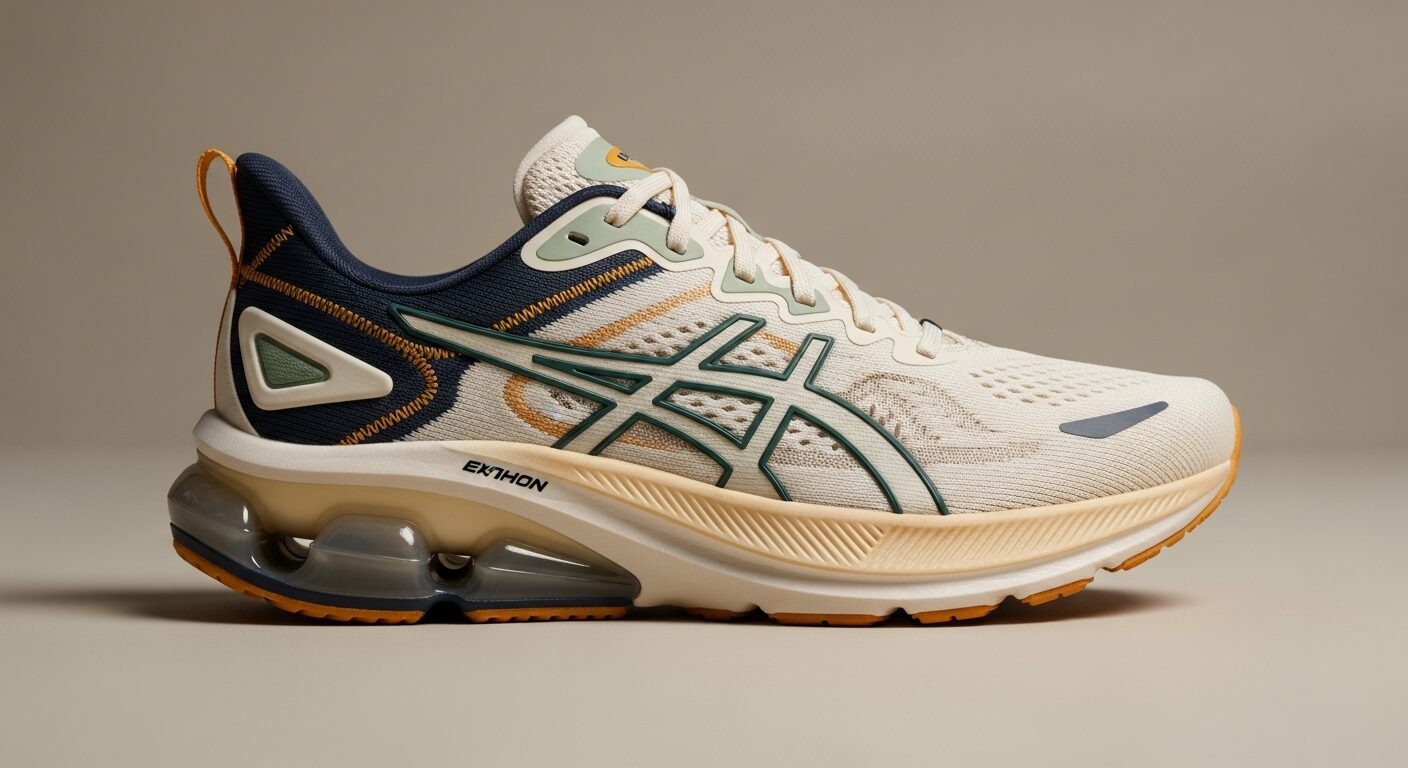

Worn shoes lose the structural and cushioning properties they had when new. Continuing to wear them is one of the most common causes of preventable foot pain I see in my office.
The Mileage Rule
Most running shoes last 300–500 miles. Heavier runners, less efficient runners, and runners with greater pronation tend to wear shoes faster. Lighter runners and lighter use can stretch toward the high end.
Visual Cues
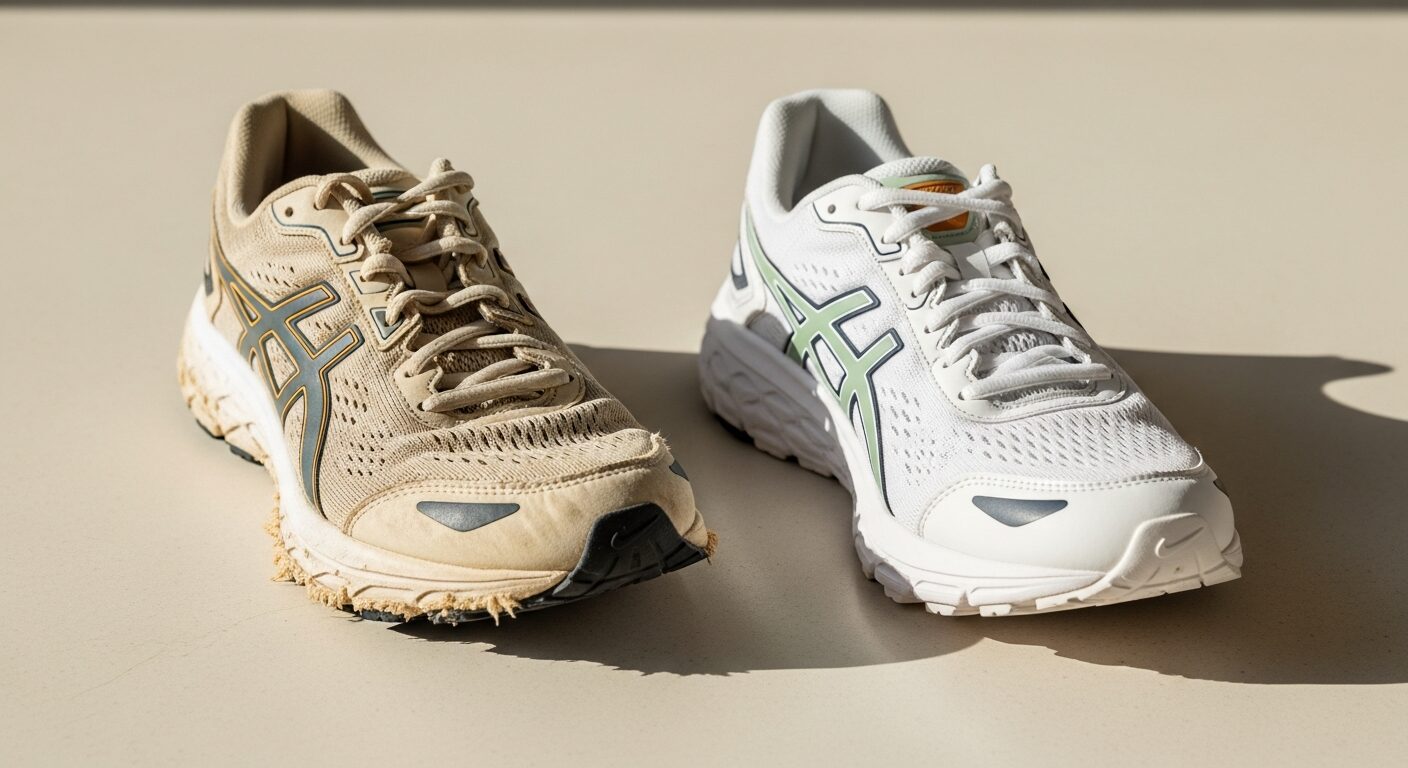
- Outsole wear - visible smoothing or holes in the rubber, particularly under the heel or forefoot
- Compressed midsole - wrinkles or compression lines in the foam, especially under the heel
- Heel collapse - when you set the shoe on a flat surface, does it tilt to one side?
- Upper deformation - the toe box stretched out of shape, the heel counter no longer firm
A Useful Habit
Write the date you started wearing the shoe inside the tongue. If you don’t track mileage, you can at least track time - a daily-walked shoe should generally be replaced every 6–9 months.
A Note on Casual Shoes
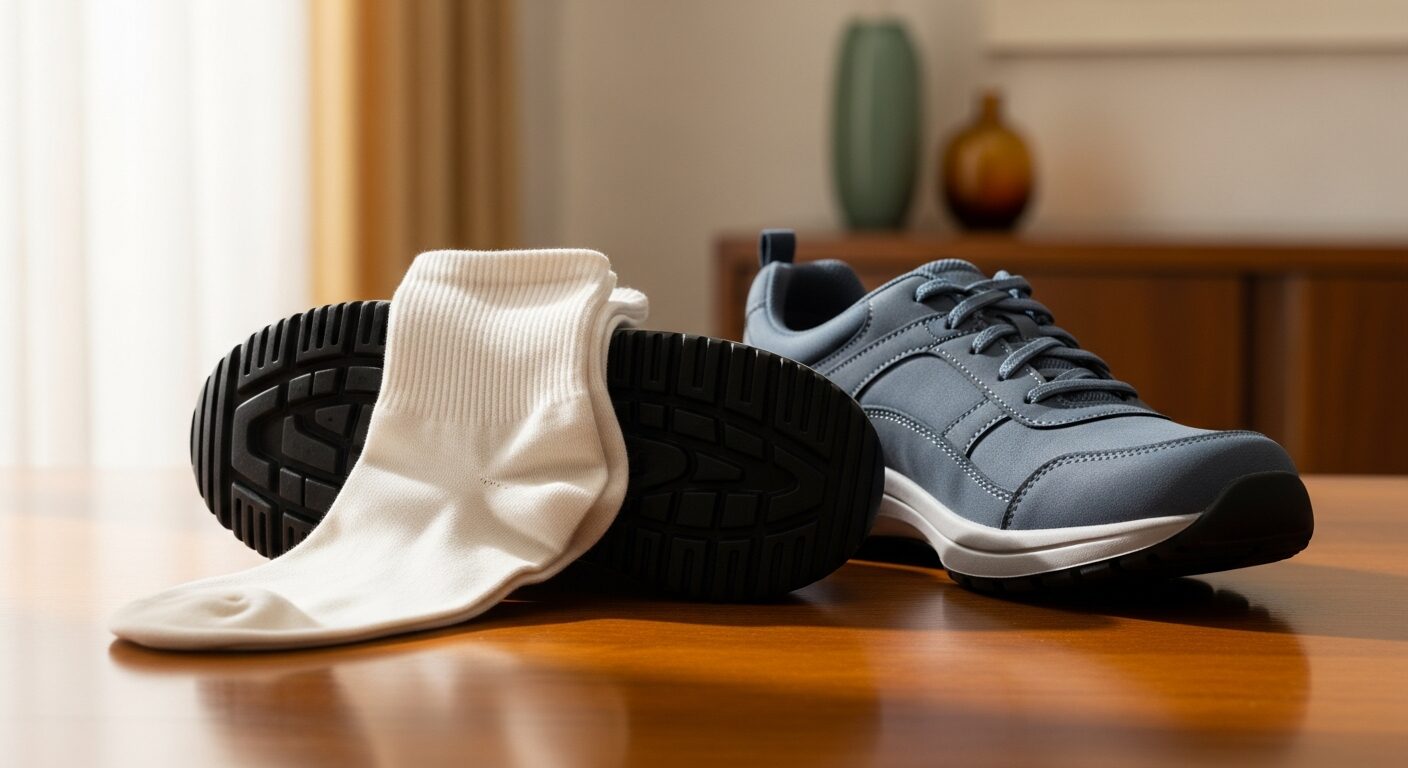
The same principles apply to your daily walking shoes. A shoe you’ve worn every day for two years is no longer offering the support it did when new - and it may be quietly contributing to your foot pain.
Los zapatos desgastados pierden las propiedades estructurales y de amortiguación que tenían cuando eran nuevos. Seguir usándolos es una de las causas más comunes de dolor de pie prevenible que veo en mi consultorio.
La regla del kilometraje
La mayoría de los tenis para correr duran de 300 a 500 millas. Los corredores más pesados, los corredores menos eficientes y los corredores con mayor pronación tienden a desgastar los zapatos más rápido. Los corredores más ligeros y el uso más ligero pueden estirarse hacia el extremo superior.
Señales visuales
- Desgaste de la suela exterior: alisado visible o agujeros en el hule, en especial debajo del talón o el antepié
- Entresuela comprimida: arrugas o líneas de compresión en la espuma, especialmente debajo del talón
- Colapso del talón: cuando coloca el zapato sobre una superficie plana, ¿se inclina hacia un lado?
- Deformación de la parte superior: la puntera estirada y deformada, el contrafuerte del talón ya no firme
Un hábito útil
Anote la fecha en que empezó a usar el zapato por dentro de la lengüeta. Si no lleva la cuenta del kilometraje, al menos puede llevar la cuenta del tiempo: un zapato que se camina a diario por lo general debe reemplazarse cada 6 a 9 meses.
Una nota sobre los zapatos casuales
Los mismos principios aplican a sus zapatos de uso diario para caminar. Un zapato que ha usado todos los días durante dos años ya no ofrece el soporte que daba cuando era nuevo, y puede estar contribuyendo en silencio a su dolor de pie.